
In a series of exclusive interviews, leading real estate experts revealed how the capital’s property market is becoming a magnet for both domestic and international investors—driven by smart planning, long-term vision, and a wave of infrastructure and lifestyle upgrades.
“Abu Dhabi has surpassed Oslo to become the city with the highest concentration of sovereign wealth,” said Ali Ishaq, Head of Residential Agency in Abu Dhabi, during an interview with Arabian Business.
Abu Dhabi’s Reem and Yas Islands: Standout Performers
Reem Island and Yas Island have emerged as the most significant players in this evolving market landscape. “This is driving significant opportunity both for individuals and corporate entities, and in turn driving growth in Abu Dhabi’s real estate market,” he added.
This capital strength is translating into large-scale urban development initiatives. New plans featuring integrated, community-driven environments are emerging, offering various product types that cater to the diverse needs of the population. Moreover, infrastructure enhancements—including new bridges and tunnels connecting key districts and islands—are making the city more livable and better connected.
According to Haider Tuaima, Managing Director and Head of Real Estate Research, “gross rental yields averaged 7.8 percent, with apartments in Al Muneera offering the highest yields at 8.8 percent and villas in Hydra Village showing the strongest yield growth at 7.6 percent.” These figures reflect a promising rental market, especially as residential occupancy stood at 88.1 percent in Q1 of 2025. Notably, supply remains constrained, with only 279 units delivered in the first quarter, amounting to just 2 percent of the nearly 14,000 expected for the full year.
Diverse and Growing Investor Base
Abu Dhabi is now attracting a broader, more diversified investor demographic. “We’re seeing both short- and long-term investors entering the market,” Ishaq explained. This interest stems from Abu Dhabi’s positioning as the capital of the UAE, a hub for talent, and a city committed to innovation and digital transformation.
Tuaima further highlighted trends in mortgage activity as evidence of strong end-user participation in the market. “In Q1, two-thirds of transactions were mortgage-backed, with just one-third completed in cash—the inverse of what we typically see in Dubai,” he pointed out. This shift suggests that buyers are increasingly making their moves, confident in the city’s real estate prospects.
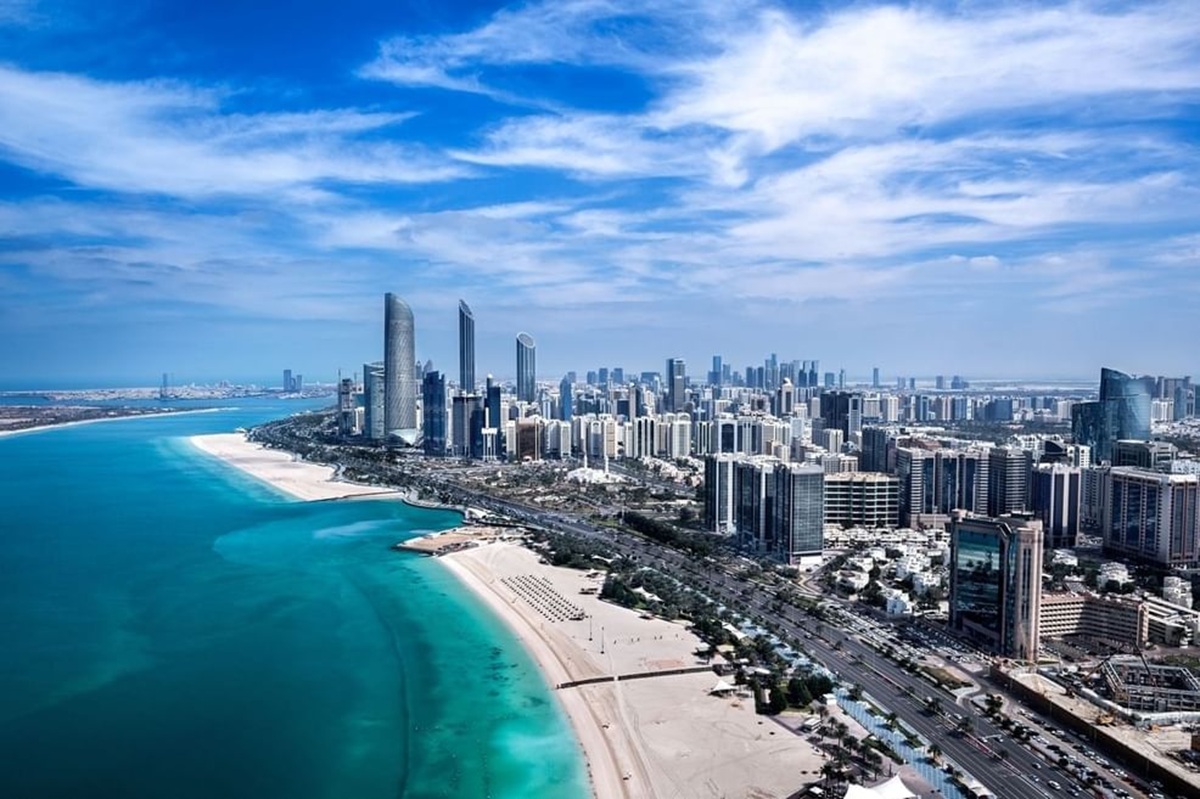
“Abu Dhabi’s strong appeal to investors stems from its strategic location, thriving economy, and government support for growth and innovation,” Ishaq added. The city’s world-class infrastructure, connectivity, and ease of business further enhance its attractiveness to potential investors.
Sustainability Permeates the Real Estate Landscape
As sustainability transitions from a trend to a priority in Abu Dhabi’s real estate scene, there’s a noticeable shift in the expectations of residential occupiers. Younger generations are increasingly focused on wellness and sustainability, and they seek developments that provide more than just housing options. “In the commercial market, occupiers are also conscious of how their operations impact the environment, with global occupiers leveraging real estate to offset operational impacts,” Ishaq explained.
This growing awareness complements the city’s expanding lifestyle offerings and family-oriented ecosystem, making it a preferred destination for many. New international schools such as Gordonstoun, Harrow, and King’s College School Wimbledon have also added appeal for long-term residents, thus driving demand further.
Competitive Advantage Over Dubai
While comparisons with Dubai are inevitable, Abu Dhabi’s momentum rests on its unique fundamentals. “The significant price rises in Dubai post-pandemic make Abu Dhabi a much more affordable option in the UAE,” Ishaq noted. However, affordability isn’t the sole driver. Recent announcements about entertainment developments, as well as the increasing concentration of sovereign wealth and world-renowned school openings, contribute greatly to the city’s livability.

According to the ValuStrat Price Index, Abu Dhabi saw a 7.2 percent year-on-year rise in property prices in Q1 2025, with villa prices surging by 9.7 percent and apartment prices rising by 4.5 percent. Tuaima noted, “Abu Dhabi’s capital values continue to show healthy single-digit growth, supported by constrained supply and steady demand. Prices are expected to rise up to 7 percent by the end of 2025.”
Interestingly, off-plan prices averaged AED17,061 per square meter—well above the ready property prices—but transaction volumes have declined due to fewer new launches. “Off-plan transactions fell sharply, down 57.7 percent quarter-on-quarter and 79.2 percent year-on-year,” Tuaima noted, while ready home sales declined by 33.6 percent quarter-on-quarter but increased by 13.6 percent year-on-year.
Declan King, Senior Partner and Group Head of Real Estate, echoed this uplifting sentiment: “Great to see the real estate sector in the capital reporting consecutive periods of quarterly growth in sales values of late. It will be interesting to observe if the recent announcement of Disney on Yas Island will act as a further catalyst for the local property market.”
As Abu Dhabi steadily positions itself not only as an alternative but as a primary destination for investment, its landscape is transforming. With sovereign investment backing, a transparent regulatory framework, and a future-focused approach to urban living, the capital is carving a distinct path that appeals to a wide array of investors across the spectrum.

