
Master Currency Exchange in Dubai: Essential Tips for Seamless Transactions
Navigating currency exchange in Dubai is a crucial task for millions of global travelers and international professionals arriving in the United Arab Emirates each year. As a prominent commercial hub, Dubai boasts extensive liquidity across its financial sectors, with numerous licensed exchange counters available in international airports, major shopping malls, and commercial districts.
Understanding local banking regulations is vital for visitors to secure optimal conversion values without incurring unexpected fees or delays. Financial service providers process millions of dirhams daily under stringent national regulatory frameworks. While local financial markets operate efficiently, customers must be aware of market spreads, identification requirements, and regulatory standards. Properly preparing foreign cash before approaching a teller can facilitate a smooth transaction.
Easy Cash Conversions
Exchanging major global currencies is the simplest aspect of currency exchange in Dubai. The United Arab Emirates Dirham (AED) maintains a fixed exchange rate against the United States Dollar (USD) at 3.6725 AED, as reported by the Central Bank of the UAE. This permanent monetary peg results in narrow spreads and minimal fee margins for transactions involving American dollars. Additionally, highly liquid regional and international currencies, such as the Euro, British Pound, Japanese Yen, and Gulf Cooperation Council currencies like the Saudi Riyal, are in constant demand.
Licensed money exchanges adjust these major rates in real time based on international interbank market movements. As a result, individuals converting prominent currencies benefit from competitive pricing, maximum availability, and immediate cash processing across all major commercial locations.
Harder Foreign Transactions
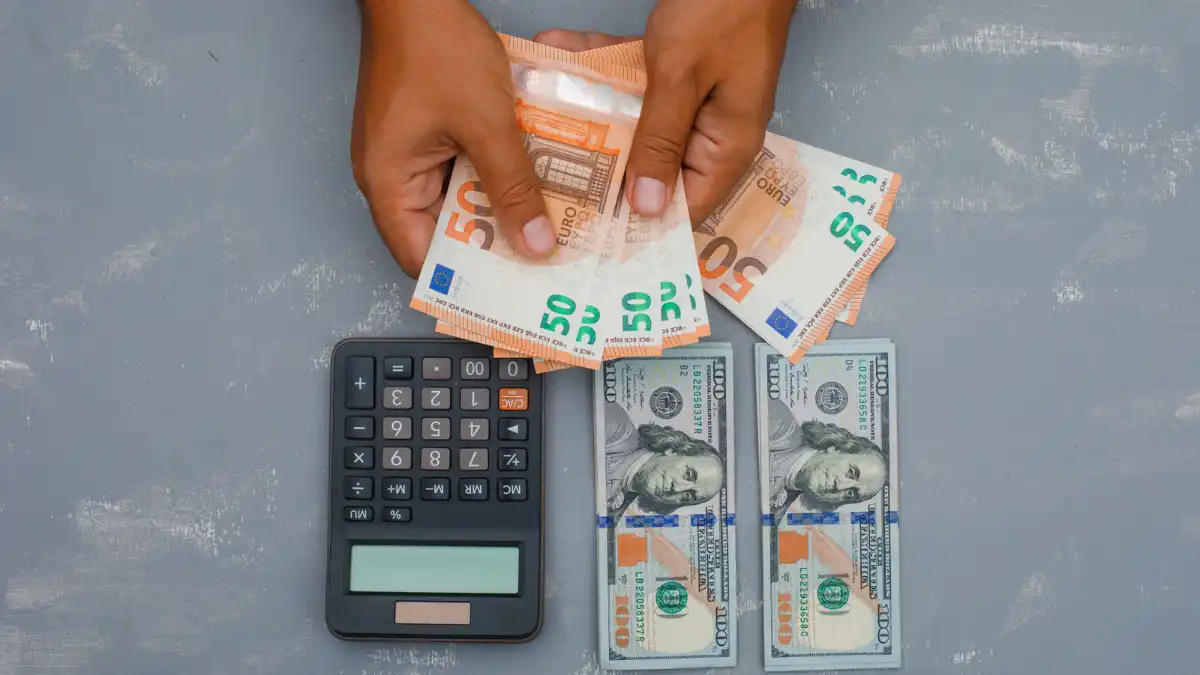
Exotic foreign currencies face significantly higher operational challenges during currency exchange in Dubai. Financial institutions categorize notes from smaller economies or volatile markets as low-demand assets. Currencies from various African nations, South American states, and remote island territories often experience reduced liquidity at local teller counters.
Exchange houses incur substantial holding costs and international shipment risks when dealing with these specific physical notes. Consequently, service providers implement wider buy and sell spreads to manage currency volatility. Travelers carrying rare banknotes may receive lower conversion values compared to standard interbank benchmark rates. Financial experts advise converting minor regional currencies into major benchmark notes like USD or Euros before international travel. Strategic planning for currency conversions can minimize overall transaction losses and eliminate potential counter rejections during a visitor’s stay.
Strictly Prohibited Notes
Strict regulatory frameworks govern cash conversions and prevent the exchange of illegal tender in Dubai. Compliance rules established by the Central Bank of the UAE prohibit exchange houses from processing currencies subject to international financial sanctions or those from politically unstable regions. As a result, tellers cannot accept Syrian Pounds, North Korean Won, or Iranian Rials under any circumstances.
The physical condition of banknotes also plays a critical role in transaction approvals at licensed branches. Tellers routinely reject banknotes that exhibit severe physical damage, such as tears, heavy ink marks, chemical stains, or extensive tape repairs. Additionally, federal anti-money laundering laws require travelers carrying cash or negotiable instruments exceeding 60,000 AED to complete an official customs declaration form upon arrival. Maintaining pristine physical banknotes and adhering to federal compliance guidelines ensures hassle-free transactions at all licensed financial facilities.
Key Operational Steps
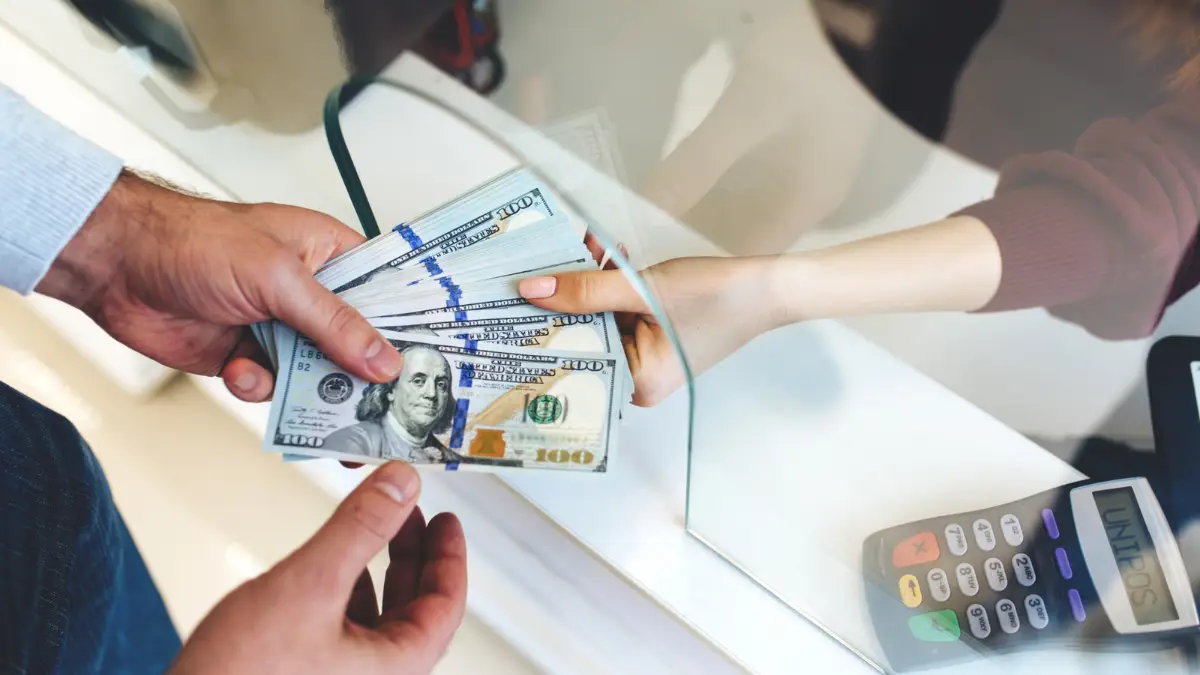
Executing a seamless transaction necessitates following a standardized process when exchanging currency in Dubai. Customers must first present valid official identification before any cash swap can occur. Tourists are required to show an original passport, while UAE residents must provide a valid Emirates ID.
Next, consumers should evaluate exchange spreads by comparing rates at airport counters with those at city mall locations, where competition often yields better rates. It is also essential for individuals to inspect all physical banknotes to ensure they are unblemished and free of damage before handing them to the teller. Finally, customers should count their returned dirhams immediately at the counter while cross-referencing the official transaction receipt. Adhering to these procedural steps guarantees transaction accuracy, regulatory compliance, and financial safety.
Strategic Financial Summary
Navigating foreign money markets effectively relies on adequate preparation and a clear understanding of regulatory requirements. To secure the best conversion values during currency exchange in Dubai, travelers should choose licensed exchange houses located in major commercial centers rather than airport transit zones. By carrying major liquid currencies, preserving clean physical banknotes, and presenting proper government identification, travelers can easily avoid common operational hurdles. Staying informed about central bank rules and transaction thresholds further protects consumers from unexpected financial delays.
Dubai offers one of the most efficient, secure, and transparent financial environments globally. Approaching foreign cash conversions with knowledge ensures a smooth monetary experience throughout one’s journey in the United Arab Emirates.
Source: timesofdubai.ae
For ongoing coverage and breaking updates, visit our Latest News section.
Published on 2026-08-12 11:10:00 • By the Editorial Desk