
60,000 Migrants Surge into Ceuta: Spain and EU Respond to Crisis Amid Deadly Crossings
Around 60,000 migrants have crossed into Ceuta, a Spanish enclave in North Africa, over the past few days, according to Juan Jesús Vivas, the leader of the territory. This influx, which exceeds half of Ceuta’s population, has prompted urgent responses from Spain and the European Union as authorities work to manage the crisis and prevent further loss of life.
Thousands Head Back Voluntarily
Moroccan forces have been deployed to the border, using batons and tear gas to deter crowds attempting to enter Ceuta. Spain’s Interior Ministry reported that approximately 50,000 migrants crossed the border since Thursday morning, with around 25,000 already returning voluntarily to Morocco. The situation has sparked division among European leaders, many of whom have urged Spain to contain the incident. Right-wing parties across Europe have criticized Spain’s migration policies, particularly an amnesty granted to hundreds of thousands of unauthorized migrants earlier this year.
Military vehicles from Spain have been stationed along the border, while many migrants remain stranded on the Moroccan side, unable to cross.
People Seen Returning to Morocco
Reports indicate that several hundred individuals have been seen returning to Morocco through various border posts and breaches in the fence. Many cited a lack of food and shelter in Ceuta as reasons for their return. A young man from Tangier expressed his disillusionment, stating, “Honestly, I don’t even know why I came, and now I’m going back. I haven’t eaten since lunch yesterday, even though I brought some money with me.”
Spain Reports 25,000 Voluntary Returns
As of Friday, over 25,000 migrants have voluntarily returned to Morocco from Ceuta, following the initial surge of approximately 50,000 that began early Thursday morning, according to Spain’s Interior Ministry.
At Least 34 Fatalities Confirmed
The border crisis has resulted in the deaths of at least 34 individuals, as reported by Ceuta President Juan Jesús Vivas.
UK Prime Minister Calls Situation “Concerning”
British Prime Minister Andy Burnham described the situation as “concerning,” stating that his government has reached out to Madrid to understand the implications and offer support. He acknowledged the urgency of the situation, noting that the scenes witnessed would prompt calls for action.
“Violation” of Spain’s Territorial Sovereignty
Spanish Prime Minister Pedro Sánchez characterized the mass crossings as a “violation of Spain’s territorial sovereignty.”
Germany Supports Spain’s Stance on Illegal Migration
German Chancellor Friedrich Merz expressed support for Spain’s intention to prevent illegal migrants from entering the European mainland. He confirmed that the German government is in communication with Spanish authorities regarding the situation.
France Offers Assistance to Spain
French President Emmanuel Macron’s office stated that France is in contact with both Spanish and Moroccan authorities concerning the influx of migrants. France is prepared to assist Spain if necessary, including through the European border and coast guard agency Frontex. Macron has instructed Interior Minister Laurent Nunez to enhance border checks with Spain.
Spain and Morocco Reinforce Border Measures
In response to the crisis, Spain and Morocco have strengthened the border fence around Ceuta, successfully halting the mass crossings after a day that saw tens of thousands arrive by both land and sea. Tragically, at least 19 bodies have been recovered from the water.
The Spanish Department of National Security initially estimated that over 49,000 individuals crossed illegally within a 24-hour period, although this statement was later removed from their website without explanation. The surge into Ceuta has caused significant concern and division within Europe, prompting France to increase border checks and Italy to threaten Spain with suspension from the EU’s open border scheme.
Water Cannon Trucks Deployed
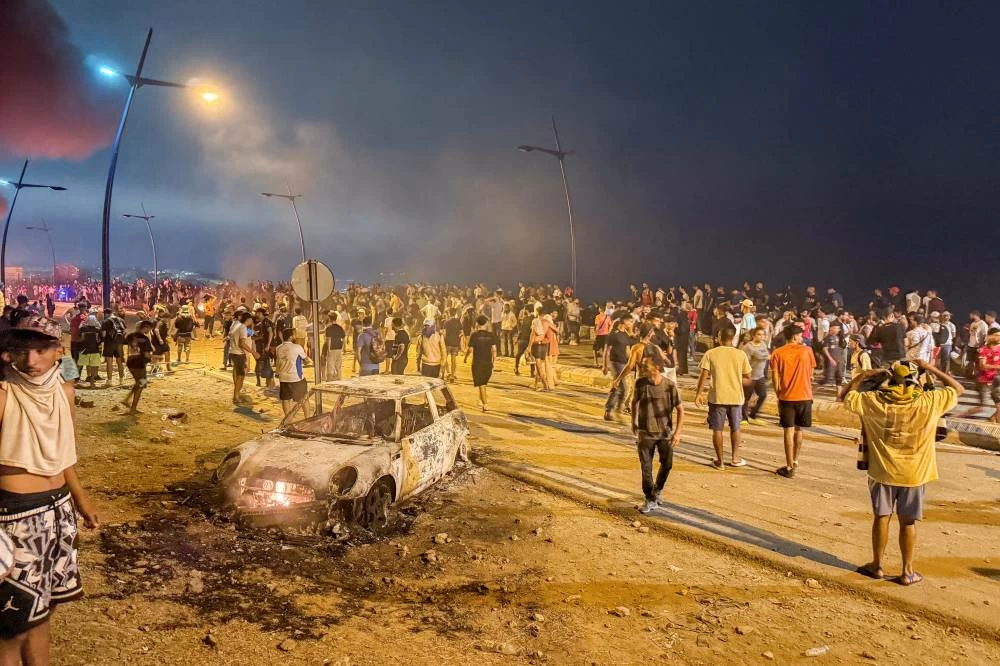
Moroccan authorities have utilized water cannon trucks at the gates to Ceuta to disperse crowds. The aftermath of clashes has left the charred remains of a bus and several vehicles in the vicinity.
Spanish officials have indicated their intention to expel those who entered illegally as swiftly as possible, despite a court ruling that imposes restrictions on immediate expulsions from the enclave. Prime Minister Sánchez is scheduled to visit Ceuta alongside Interior Minister Fernando Grande-Marlaska.
Unprecedented Migrant Surge
Ceuta and Melilla are the only land borders between the European Union and Africa, each with a population of around 85,000. While both cities have experienced surges in attempted crossings in the past, the scale of this recent influx is unprecedented. Territorial Policy Minister Ángel Víctor Torres noted that a recent ruling by Spain’s Supreme Court, which prohibits the summary return of migrants intercepted at sea, may have contributed to the surge.
How It Started
Torres stated that the Spanish government responded immediately to the crisis and would work to return migrants while respecting court rulings and their rights.
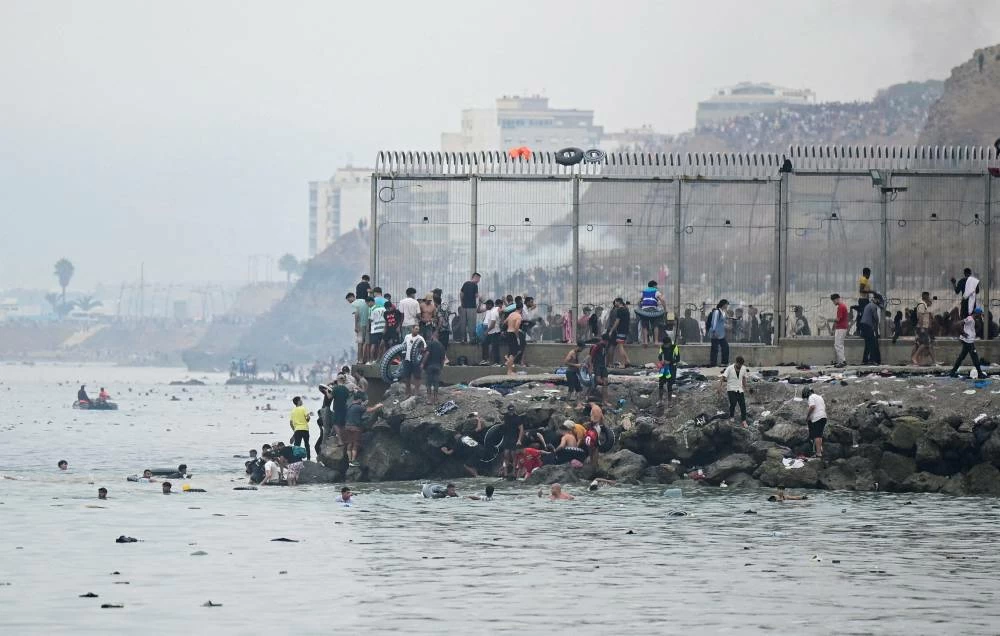
Despite reinforced security measures, thousands of migrants gathered in the Moroccan town of Fnideq, attempting to find alternative routes to cross into Ceuta. Many were seen preparing to swim across the border.
The Guardia Civil police association in Spain reported that there were insufficient officers to monitor the fence during the surge, rendering them unable to prevent the crossings.
Migration remains a contentious issue across Europe, particularly as right-wing parties have gained traction since the 2015 crisis when over a million people sought asylum, primarily fleeing conflict in Syria.
Source: www.emirates247.com
Read all the latest developments and breaking updates in the Latest News section.
Published on 2026-07-31 16:05:00 • By the Editorial Desk

