
UAE Real Estate Market Faces Turbulence as Iranian Strikes Erode Investor Confidence
The United Arab Emirates (UAE) is grappling with significant challenges in its real estate sector following a series of Iranian missile strikes that have disrupted the region’s long-standing sense of security. These attacks targeted key infrastructure, including airports and luxury residential areas in Dubai and Abu Dhabi, raising concerns among global investors who have traditionally viewed the Gulf as a stable haven for wealth and investment.
UAE Real Estate Faces Uncertainty Amid Ongoing Conflict
The recent developments come at a time when analysts were already questioning the sustainability of the UAE’s real estate growth. For years, demand from overseas buyers has driven rapid construction and record sales across the region. However, projects that previously sold out within hours are now facing a more uncertain market as investors reassess risks and future demand.
For years, demand driven largely by overseas buyers helped fuel rapid construction and record sales across the UAE.
Future Developments Now In Question
Off-plan sales constituted approximately 65 percent of property transactions in Dubai in 2025, according to Betterhomes. A significant portion of buyers were investing in properties that had yet to be completed. This pipeline now faces an uncertain future, with international buyer demand likely to dictate market movements in the coming months.
Market Reaction On UAE’s Real Estate Situation Amid Iran Strikes
Following the missile strikes, shares of major developers in Dubai and Abu Dhabi experienced sharp declines. Aldar Properties, the largest listed developer in Abu Dhabi, and Emaar Properties, known for iconic projects like Downtown Dubai and the Burj Khalifa, both saw their stock prices drop by around five percent. Additionally, bond prices linked to several developers also fell.
Bond markets, a crucial source of funding for UAE developers, are largely closed to new borrowing as costs escalate across the sector. Some developers have attempted to reassure investors about the stability of their projects.
Ziad El Chaar, CEO of Dar Global, emphasized the resilience of the region, stating that “in this region we know things start quickly and end quickly, and we overcome this because the fundamentals across the GCC nations are strong.” He added that “nothing is on hold. Everything is on track.”
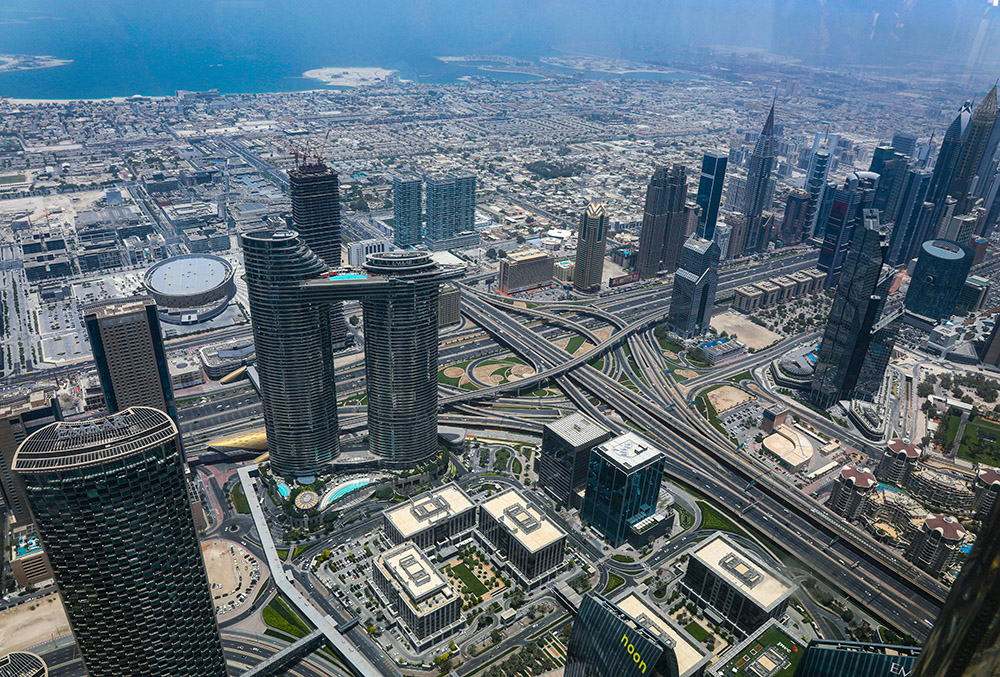
What Is The Real Market Reaction On UAE’s Real Estate Situation Amid Iran Strikes?
Early Signs Of Impact On UAE’s Property Sector
Some industry observers have noted that the impact of recent events is already becoming apparent. A senior real estate banker reported that his firm had paused a planned property fundraising initiative in the UAE, citing a reluctance among investors to commit to the region at this time. He indicated that the risk premium for UAE property has risen significantly, and international lenders may need to reduce new lending, potentially leading to asset sales if the situation continues.
Dubai And Abu Dhabi: Once Symbols Of Luxury, Now Facing A Bleak Future?
Dubai’s skyline is a testament to two decades of rapid construction. The Palm Jumeirah, once a bold land reclamation project, has established itself as a luxury enclave, while the larger Palm Jebel Ali continues to rise from the Gulf. Meanwhile, Abu Dhabi has been gradually expanding its coastline, albeit at a more measured pace.
The property market saw a surge following the COVID-19 pandemic, driven by the UAE’s tax-free policies, relaxed visa regulations, and economic reforms that attracted wealthy migrants. Investors fleeing geopolitical tensions, particularly from Russia, along with billionaires and hedge funds, have poured capital into the sector, drawn by the absence of income tax and a favorable business environment.
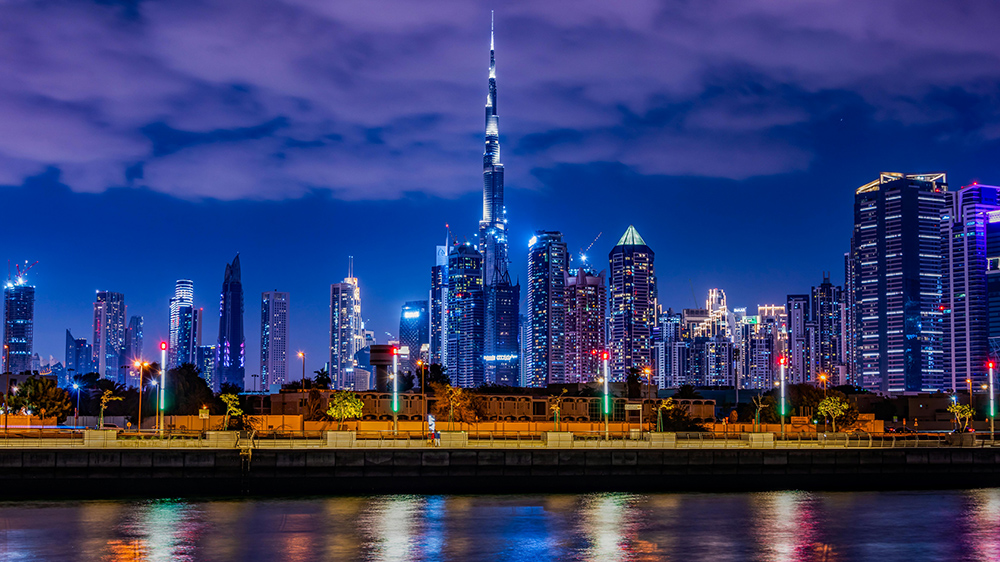
Dubai And Abu Dhabi, Symbols Of Opulence
By 2025, the UAE’s population exceeded 11 million, with expatriates accounting for nearly 90 percent of residents. Between 2022 and the first quarter of 2025, Dubai real estate prices surged by 60 percent, according to Fitch. The growth trend persisted into late last year, with residential prices increasing nearly 13 percent year-on-year in the fourth quarter, while Abu Dhabi’s residential prices rose by almost 32 percent during the same period.
“The real effect on real estate will be seen in demand once the conflict settles,” noted Mohammed Ali Yasin, CEO of Ghaf Benefits, a Lunate company in Abu Dhabi. He observed that listed developer stocks fell in line with a broader market decline of five percent.
Foreign Demand Holds The Key For UAE’s Real Estate Future
Even before the recent strikes, analysts had cautioned that supply was outpacing population growth. JPMorgan indicated that Dubai’s demographic expansion might not absorb the anticipated 300,000 to 400,000 new units expected by 2028.
Economists at Abu Dhabi Commercial Bank highlighted that foreign interest in purchasing property following the conflict will be crucial. Expatriates and non-resident buyers remain a vital source of demand, with new supply expected to rise in the latter half of this year and remain elevated over the next two years.
The strikes coincided with a wave of new supply entering the market. Ryan Lemand, co-founder and CEO of Neovision Wealth Management, remarked that “real estate investment typically relies on stability, visibility, and sustained investor confidence, all of which tend to weaken during prolonged geopolitical uncertainty.”
Published on 2026-03-05 15:18:00 • By Editorial Desk
Follow the latest developments and breaking updates in the Latest News section.

