Rabab Tantawy: Redefining Art and Community in the UAE
A Unique Artistic Voice
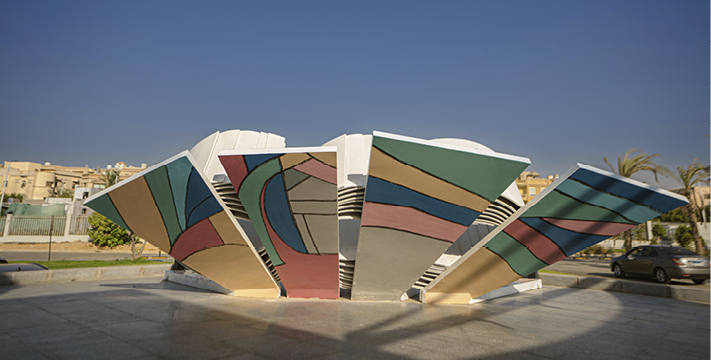
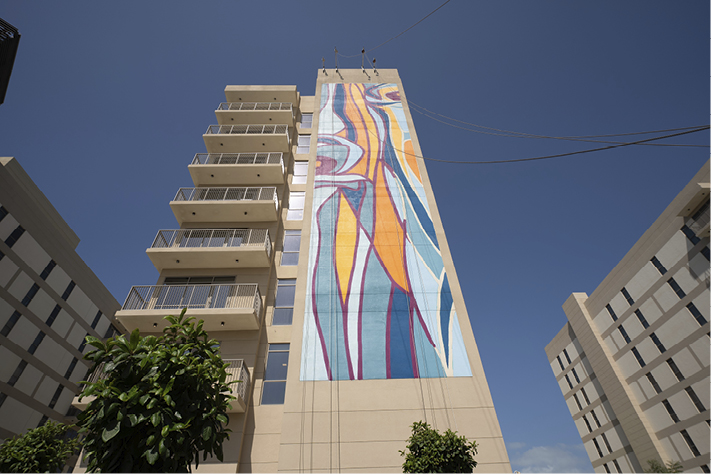
Dubai-based artist Rabab Tantawy has emerged as a key figure in the UAE’s dynamic cultural landscape. Her artistic approach, deeply rooted in the human form and influenced by Nubian visual heritage, articulates themes of memory, belonging, and communal connections. Over the last decade, her work has evolved from private canvases to striking public installations, including notable murals on Yas Island and a groundbreaking Formula 1 livery design. Each of these projects delves into identity, movement, and the collective spirit that unites communities.

Building a Creative Hub
Tantawy’s influence transcends her individual artwork. As the founder of Studio Thirteen, she has crafted a vibrant creative space that prioritizes accessibility and community. In a time when the region is honing its cultural identity, she occupies a unique position at the crossroads of artistic innovation and community engagement, fostering emerging artists while also pushing the limits of her own craft.
Evolving Artistic Themes
The Journey of Connection
Tantawy often reflects on her exploration of themes like resilience and collective identity within her artwork. Initially, when she began depicting Nubian figures, her focus was on understanding her own roots. Over time, these themes naturally evolved, revealing a deeper narrative about human connection and memory. “The work now feels like a dialogue among people,” she shares, illustrating how her artistic journey has expanded from mere representation to immersive conversations that resonate with viewers.
The Challenge of Public Art
Contrasting Approaches to Scale
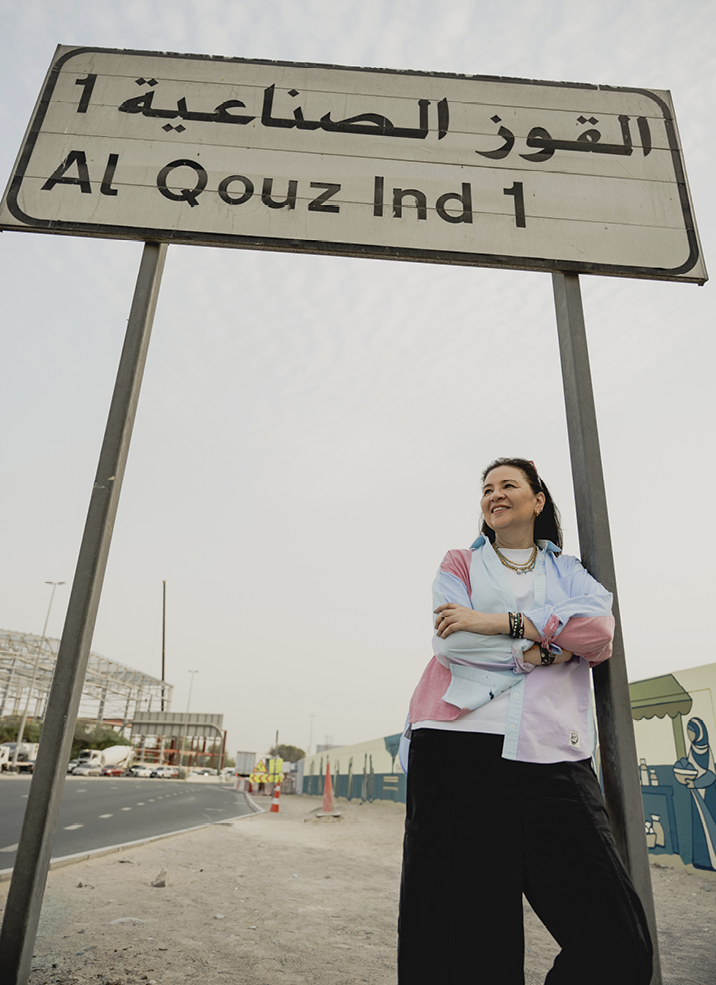
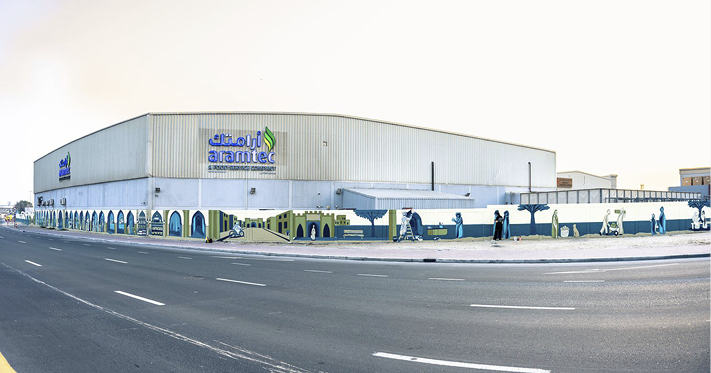
Creating large-scale murals presents a distinct set of challenges compared to studio work. Tantawy notes that public art is inherently communal; it belongs to the city and its inhabitants. Thus, it requires an awareness of cultural and spatial contexts. In contrast, studio pieces allow for a more personal and exploratory artistic process. “Murals demand clarity and intention, while studio work is often more intimate and experimental,” she explains.
Breaking New Ground in Formula 1
A Milestone in Her Career
Tantawy’s role as the first artist to design a Formula 1 livery marked a significant milestone for her. The experience was both exhilarating and daunting, presenting an opportunity to place her artistic identity within a high-octane environment. She describes it as a moment filled with responsibility and validation, demonstrating that her visual language could thrive amidst the speed and precision of the sport. “It was surreal and completely unexpected,” she reflects, emphasizing how she managed to blend her artistic vision with the demands of high-performance racing.
Creating Opportunities through Studio Thirteen
Filling Gaps in the Art Community
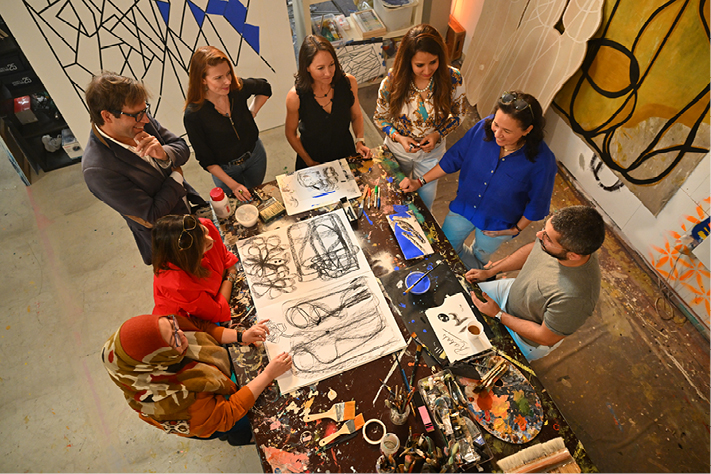
The inception of Studio Thirteen stemmed from a need for accessible artistic spaces in Dubai. Tantawy aspired to create opportunities not just for herself but for other artists who felt overlooked. “I wanted a space for artists who didn’t fit the traditional institutional mold, allowing them to connect and build their practices on their terms,” she states. This initiative addresses not just the need for physical space but also the overarching demand for community and resources among artists.
Nurturing Emerging Talent
Cultivating Collaboration
At the heart of Studio Thirteen’s mission lies a commitment to community-building. Tantawy fosters an environment where both emerging and established artists can flourish. “We focus on being supportive and unpretentious,” she explains. By sharing resources and experiences, artists create a mentorship ecosystem, promoting a spirit of collaboration rather than competition. This ethos encourages creativity and enables artists to navigate their personal journeys together.
The Expanding Creative Scene in Dubai
A Moment of Cultural Significance
Tantawy observes that the current moment is pivotal for the UAE’s art scene. There is an emerging focus on building a cultural legacy that reflects the richness of the region, rather than conforming to global expectations. “We’re in the early stages of something significant,” she says, highlighting the shift towards self-definition and cultural authenticity.
Guidance for Emerging Artists
Building Confidence and Voice
Many young artists often grapple with finding their unique voices. Tantawy emphasizes the importance of action in this journey. “Start creating. Make mistakes. Don’t wait for a sense of readiness,” she advises, encouraging budding talents to seize opportunities and cultivate their artistic momentum over time.
Balancing Freedoms and Responsibilities
The Intentional Pursuit of Experimentation
In navigating her artistic practice, Tantawy strives to maintain her sense of freedom while managing significant commissions. “I’ve experienced the creative power that freedom can bring,” she shares, underscoring her commitment to experimentation. She recognizes the necessity of carving out space for her personal explorations even amid the pressures of larger projects.
Shaping Cultural Identity
Art as a Catalyst for Dialogue
Tantawy envisions a future where art continues to play a crucial role in shaping cultural identity and stimulating social dialogue in the UAE. “We have a strong foundation in place—institutions, public art programs, and a governmental focus on creativity,” she states, affirming her belief in the profound impact that local artists will have on the region’s evolving narrative.
Exploring New Frontiers
Current Artistic Pursuits
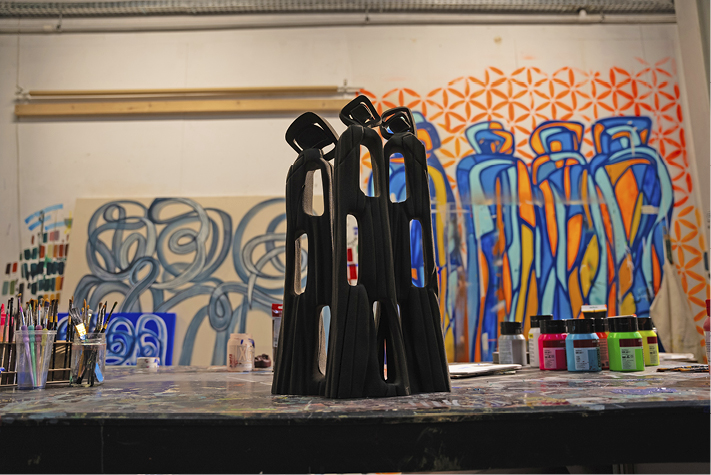
At this stage in her career, Tantawy is delving into themes of process and movement, expressing a desire to create art that feels instinctive and spontaneous. She is intrigued by the intersection of various mediums, including performance and installation, and is excited about exploring larger-scale sculptures and innovative materials for her future projects.
By Lindsay Judge