
Art Dubai 2025: A Kaleidoscope of Culture and Creativity
When the desert meets daring ideas, magic happens—and that’s exactly what went down at Art Dubai 2025. As the recent edition wrapped up on April 20, it left behind a vibrant trail of color, culture, and creativity. Since its launch in 2007, Art Dubai has always nurtured the local art scene to create a cultural impact. In 2025, the doors opened to 120 exhibitors, highlighting the works of emerging and established artists from the Middle East, North Africa, and South Asia.
Among the countries showcased, India made a significant statement with 11 galleries representing around 30 artists. This edition featured three main sections: Contemporary, Modern, and Bawwaba. Artists like Viraj Khanna, Shilpa Gupta, Divya Singh, and the legendary M.F. Husain contributed to a rich tapestry of South Asian voices, exploring themes around identity and expression through art. Travel+Leisure India & South Asia engaged with key voices at the fair to discuss how South Asian art leads narratives on a global stage and the influence of cultural tourism on artistic expression.
Viraj Khanna: Weaving Personal Narratives
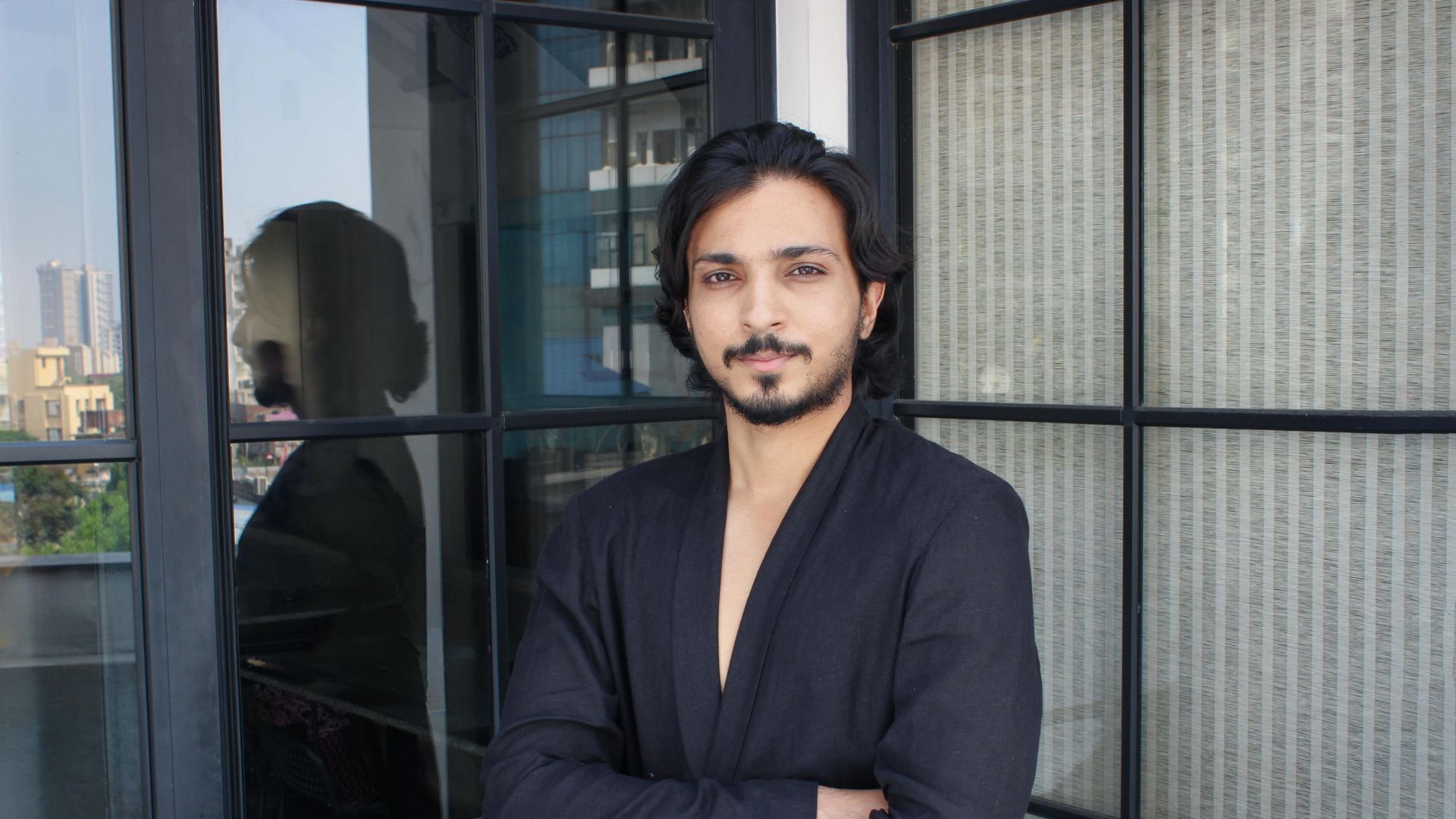
Viraj Khanna is a visual artist from India who primarily works with textiles. His recent works featured in the group exhibition "To Look, and to Look Again" captured personal memories intertwined with generational identity. Khanna shared insights with T+L India on the layers of meaning behind his pieces displayed at Art Dubai.
Personal Memories and Generational Identity
“The works that I am showcasing at Art Dubai reflect experiences from my life. I’ve transformed photographs I’ve taken, using embroidery to give them new meanings,” Khanna explained. His approach challenges the polished images that dominate social media, instead drawing attention to the complexities and unvarnished realities behind the ‘perfect’ lives we often portray online.
The Evolution of Textile Art
Viraj emphasized the burgeoning recognition of textile as a legitimate art form. “Indian galleries are making spectacular moves internationally. Textile art is gaining its rightful place, and I am proud to be part of this movement,” he stated. By focusing on hand embroidery—a craft that is at risk of fading—Khanna strives to preserve and promote its significance in the contemporary art landscape.
Shilpa Gupta: Cross-Cultural Exchanges and Resistance
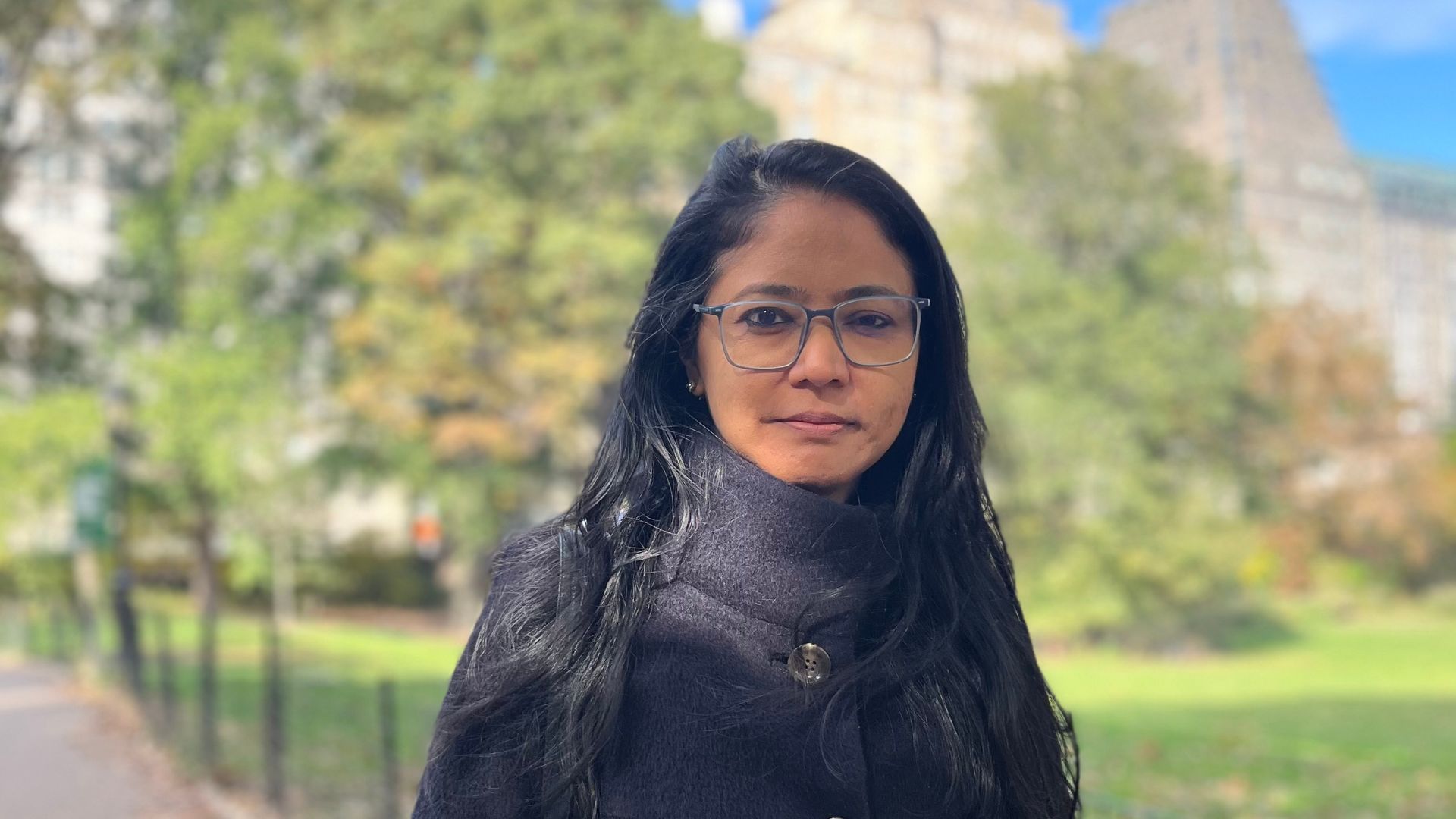
Shilpa Gupta has spent over two decades challenging how identities are shaped by societal and state mechanisms. Her work engages with ideas of mobility and borders—both literal and metaphorical.
Navigating Borders Through Art
Gupta reflected on the formative experiences that have shaped her artistic journey, particularly those involving crossing borders. “We develop methods to navigate and negotiate boundaries. Mobility is intrinsic to being human,” she said, emphasizing how socio-political systems often restrict movement, compelling individuals to find ways to subvert control.
The Power of Language
Her ongoing art projects, such as "Listening Air," explore the intricate relationship between language, power, and resistance. “Language is a site where the play of power unfolds. Even when bodies are imprisoned, the words of poets endure,” Gupta added, showcasing art’s role in transcending oppression.
Sabih Ahmed: Curating Conversations
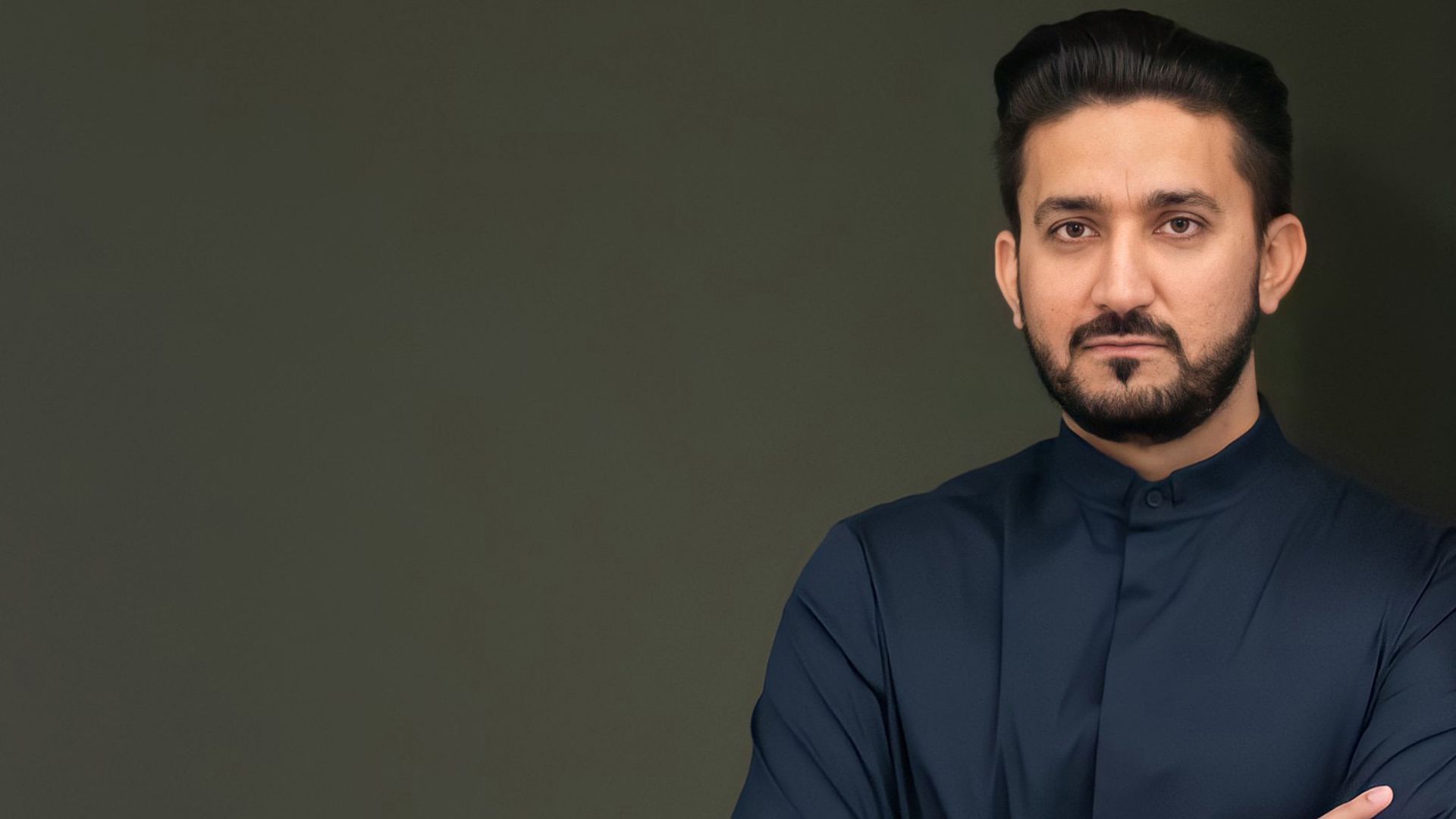
Sabih Ahmed, Projects Advisor at the Ishara Art Foundation in Dubai, curated Shilpa Gupta’s exhibition, "Lines of Flight." His insights into art as a medium for conversation highlight its role in addressing contemporary issues.
Art as a Medium for Dialogue
“Art is not solely for appreciation; it’s a conduit for opening dialogue,” Ahmed noted, reflecting on the responsibilities of cultural institutions in today’s rapidly changing world. His curatorial approach aims to foster conversations around shared histories and experiences, particularly in a place characterized by migration.
Smita Prabhakar: Championing South Asian Voices
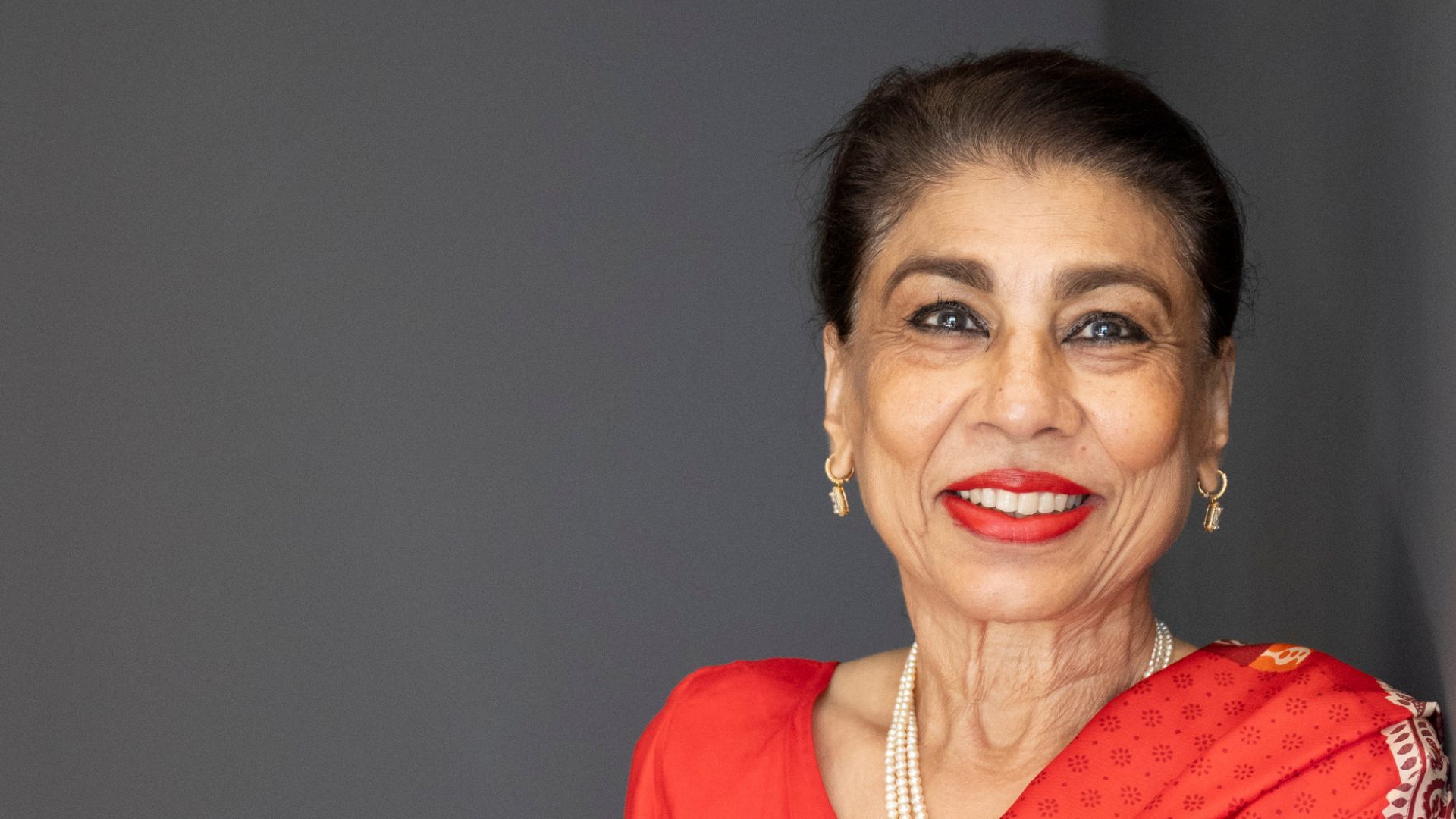
Smita Prabhakar, Founder of the Ishara Art Foundation, plays a crucial role in promoting South Asian art on global platforms. Her efforts in curating exhibitions echo the growing recognition of this art form.
Art’s Cultural Impact
“Art from South Asia is finding its rightful place in the global narrative. It’s both thought-provoking and beautiful,” Prabhakar shared, emphasizing the significance of these artistic expressions in understanding complex socio-cultural dynamics.
Building a Cultural Ecosystem
Aiming to build a vibrant cultural tourism ecosystem, Prabhakar hopes that the UAE will serve as a hub for South Asian artists, enabling them to showcase their work to international audiences and foster connections beyond borders.
Noelle Kadar: Bridging Cultures
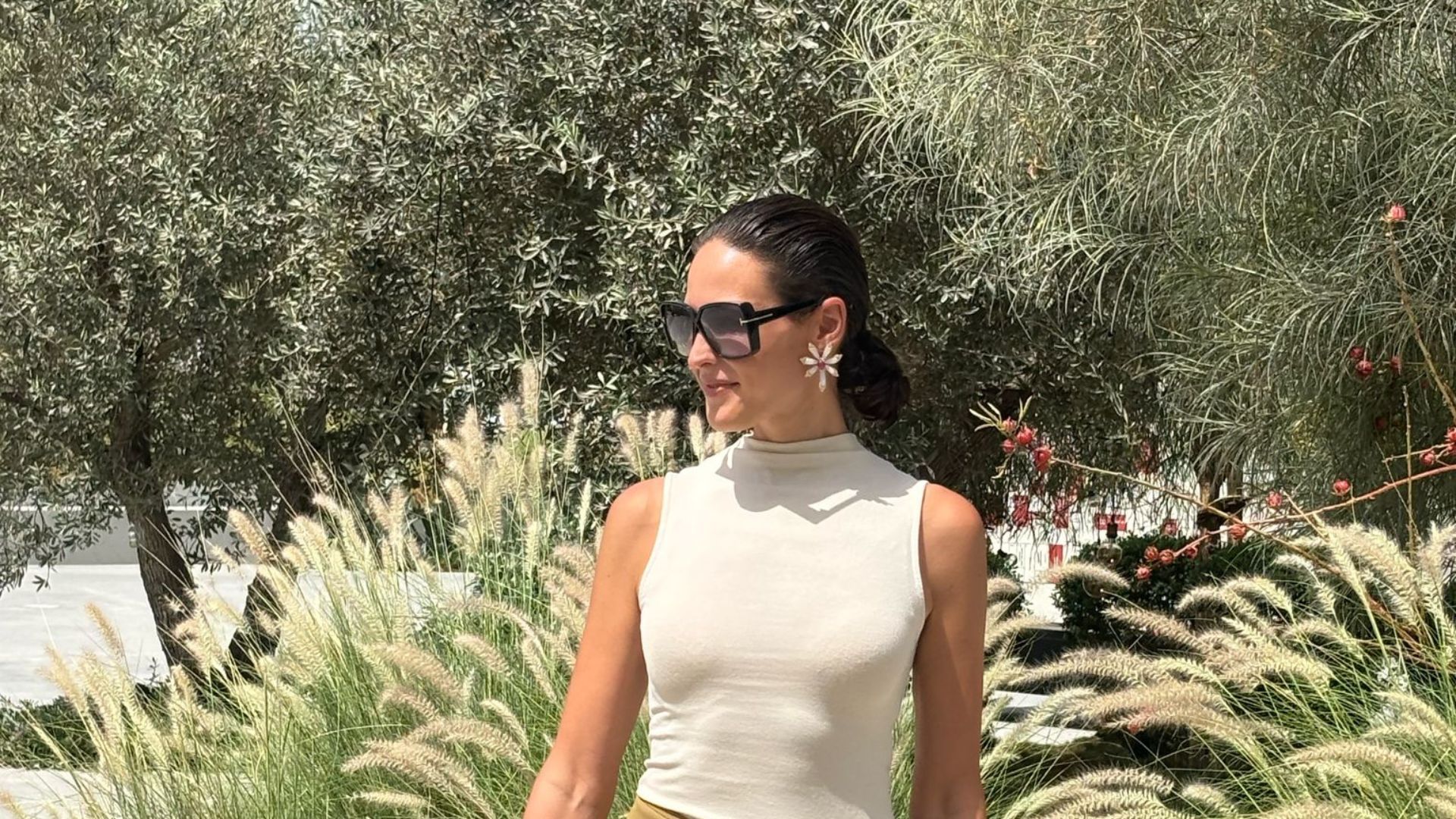
Noelle Kadar, a contemporary art specialist, focuses on creating innovative dialogues within the art community. She believes that Art Dubai is crucial in fostering cross-cultural artistic exchange.
Art Dubai’s Significance
“Art Dubai has increasingly showcased South Asian galleries, connecting the regions and facilitating conversations,” Kadar remarked. She noted how the fair serves as a platform for cultural exchange among countries like India, Pakistan, and Bangladesh.
Art Dubai 2025 stands as a testament to the power of art as a vehicle for dialogue, identity exploration, and cultural expression. It underscores the myriad ways in which art can transcend boundaries, fostering connections across diverse landscapes and histories.

