
Dubai’s transformation into a global hub for blockchain innovation and real estate modernization is no longer theoretical—it’s a strategic blueprint in motion. By merging its cashless economy ambitions with cutting-edge tokenization technology, the emirate is pioneering a paradigm shift in how real estate assets are owned, traded, and valued. For investors, this represents a rare confluence of regulatory clarity, technological scalability, and high-growth potential. Here’s why blockchain-backed real estate in Dubai is primed to deliver outsized returns—and how to capitalize.
The Crypto.com MoC: A Catalyst for Cashless Real Estate Transactions
In 2023, Dubai’s Department of Finance (DoF) inked a landmark Memorandum of Cooperation (MoC) with Crypto.com, enabling residents and businesses to pay government services—including real estate-related fees—with stablecoins via Crypto.com’s digital wallet. This partnership isn’t just about convenience; it’s a foundational step toward Dubai’s 2026 cashless economy roadmap, which aims to shift 90% of transactions to digital platforms.
For real estate, this means reduced friction in property purchases, rental agreements, and administrative processes. The MoC’s regulatory backing—Crypto.com holds a limited license from Dubai’s Virtual Assets Regulatory Authority (VARA)—ensures compliance while fostering innovation.
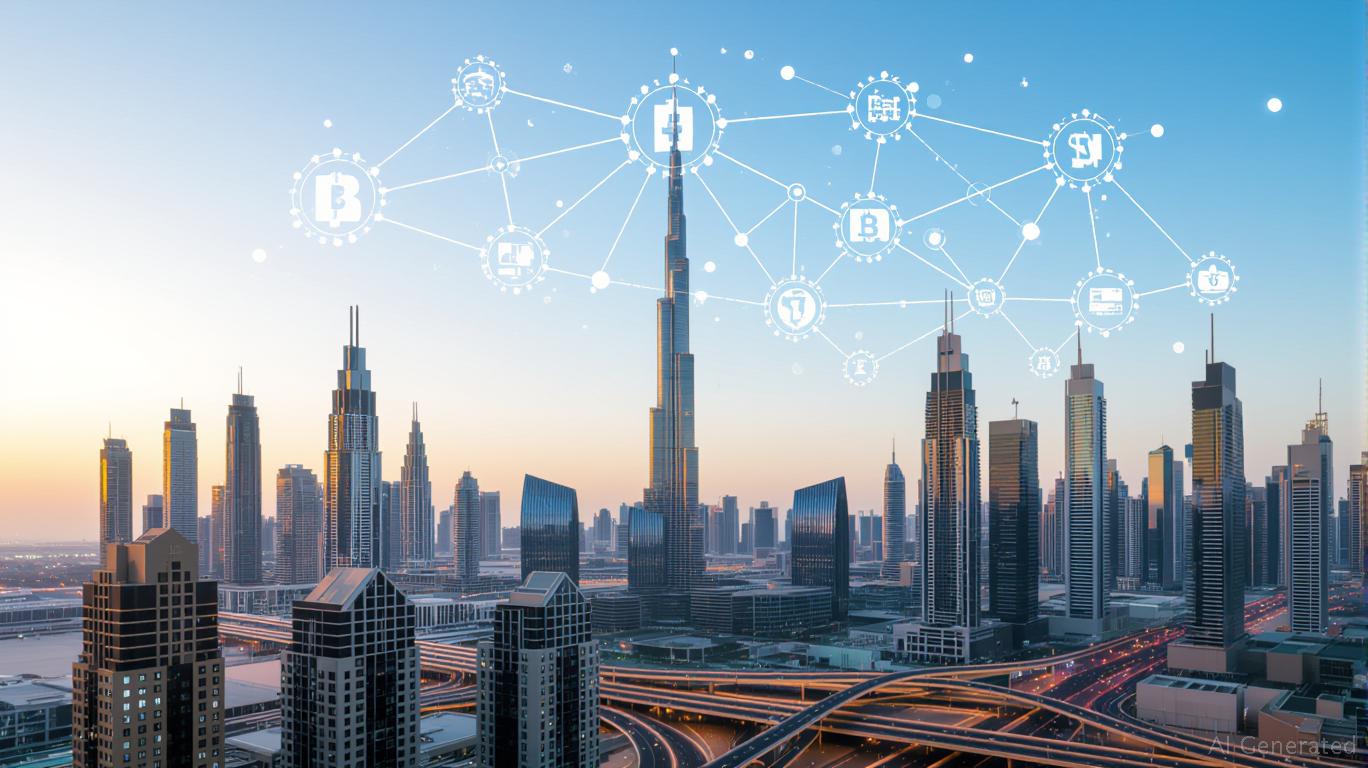
The Real Estate Blockchain Strategy: Tokenization as the New Frontier
Dubai’s Real Estate Strategy 2033 aims to grow the sector’s market valuation to AED1 trillion (USD $272 billion) by 2033, with tokenized assets accounting for 7% of this total. The emirate’s pilot program—launched in 2025 with private partners Prypco and Ctrl Alt Solutions—converts property title deeds into non-fungible tokens (NFTs) on the XRP Ledger (XRPL), a decentralized blockchain known for its speed and low fees.
Key features include:
- Fractional Ownership: Investors can buy as little as AED2,000 (£400) of a property’s value, democratizing access to high-value real estate.
- Cross-Border Liquidity: Tokenization breaks geographic barriers, attracting global capital while maintaining UAE regulatory compliance.
- Smart Contracts: Automated agreements reduce disputes, ensuring seamless rental, sales, and maintenance processes.
Dubai’s non-oil economy, which already contributes 75.5% of GDP, is a testament to the emirate’s diversification success. The real estate sector’s tokenization will further amplify this momentum, creating a bridge between traditional assets and digital finance.
Why the Regulatory Framework Mitigates Risk
Dubai’s VARA and Dubai Land Department (DLD) have built a robust framework to address investor concerns:
- Regulatory Certainty: VARA’s licensing ensures that platforms like Crypto.com and DLD’s blockchain partners adhere to anti-money laundering (AML) and know-your-customer (KYC) standards.
- Interoperability: The XRP Ledger’s integration with DLD’s registry guarantees that tokenized assets are legally enforceable and traceable.
- Global Standards: Partnerships with firms like Ctrl Alt Solutions (which integrated blockchain with DLD’s systems) ensure technical reliability.
This structure positions Dubai as a low-regulatory-risk zone for blockchain real estate investments, contrasting sharply with jurisdictions where crypto is still legally ambiguous.
Strategic Investment Opportunities: Where to Allocate Capital
- Proptech Partners: Partner with leading firms like Prypco and Ctrl Alt Solutions, which are at the forefront of DLD’s tokenization projects, to gain access to their equity or venture capital opportunities.
- XRPL Developers: Look for companies building on the XRP Ledger, particularly those focusing on smart contract solutions as the demand for real estate tokenization increases.
- The Crypto.com Ecosystem: Explore opportunities within Crypto.com’s payment infrastructure, essential for converting crypto into AED for real estate transactions. The CRO token may gain traction as adoption grows.
- Liquidity Pools: Participate in decentralized finance (DeFi) platforms linked to Dubai’s real estate tokens for yield-generating opportunities.
- Real Estate Tokenization Platforms: Engage with early-stage platforms (e.g., DLD’s Real Estate Evolution Space, REES) that are offering fractional tokens of prime Dubai properties.
The Bottom Line: A High-Growth, First-Mover Opportunity
Dubai’s real estate revolution isn’t just about technology—it’s a multi-trillion-dollar ecosystem where blockchain is the catalyst. With tokenized assets projected to hit AED60 billion by 2033, investors who allocate now can secure positions in a sector poised for exponential growth.
The regulatory tailwinds, combined with Dubai’s status as a global financial center, make this a high-conviction play. For portfolios seeking exposure to frontier technologies and emerging markets, blockchain-backed real estate in Dubai offers a compelling blend of innovation, liquidity, and—critically—a clear path to scale.
Act swiftly: The first-mover advantage here is not just about returns—it’s about shaping the future of real estate itself.

